
HOWO 20CBM Water Sprinkler Truck Shipped to Burundi With Tractors
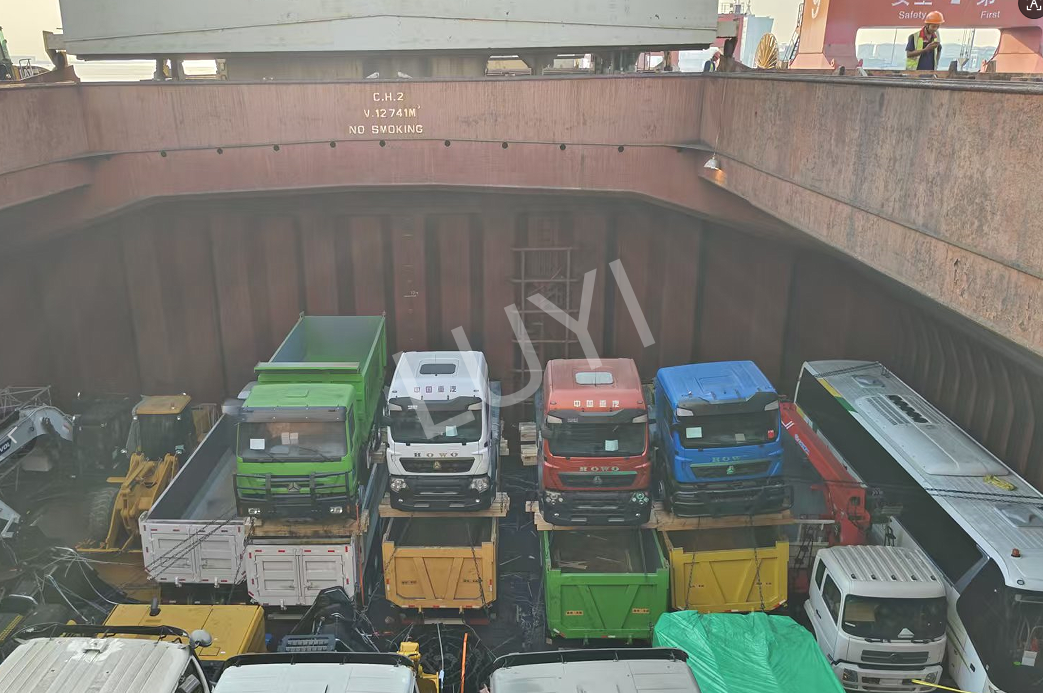
Recently, a batch of exported vehicles completed their loading operations at the port and were about to set sail for Burundi. Among these goods were several heavy-duty towing trucks and a customized HOWO water tanker. The water tanker had completed all the factory assembly, water pressure leakage tests, and vehicle quality inspections. After arriving at the destination, it will mainly undertake tasks such as road sanitation cleaning, dust suppression at construction sites, and water supply replenishment in remote areas, providing reliable water spraying operation support for the urban sanitation projects and rural infrastructure construction in Burundi.
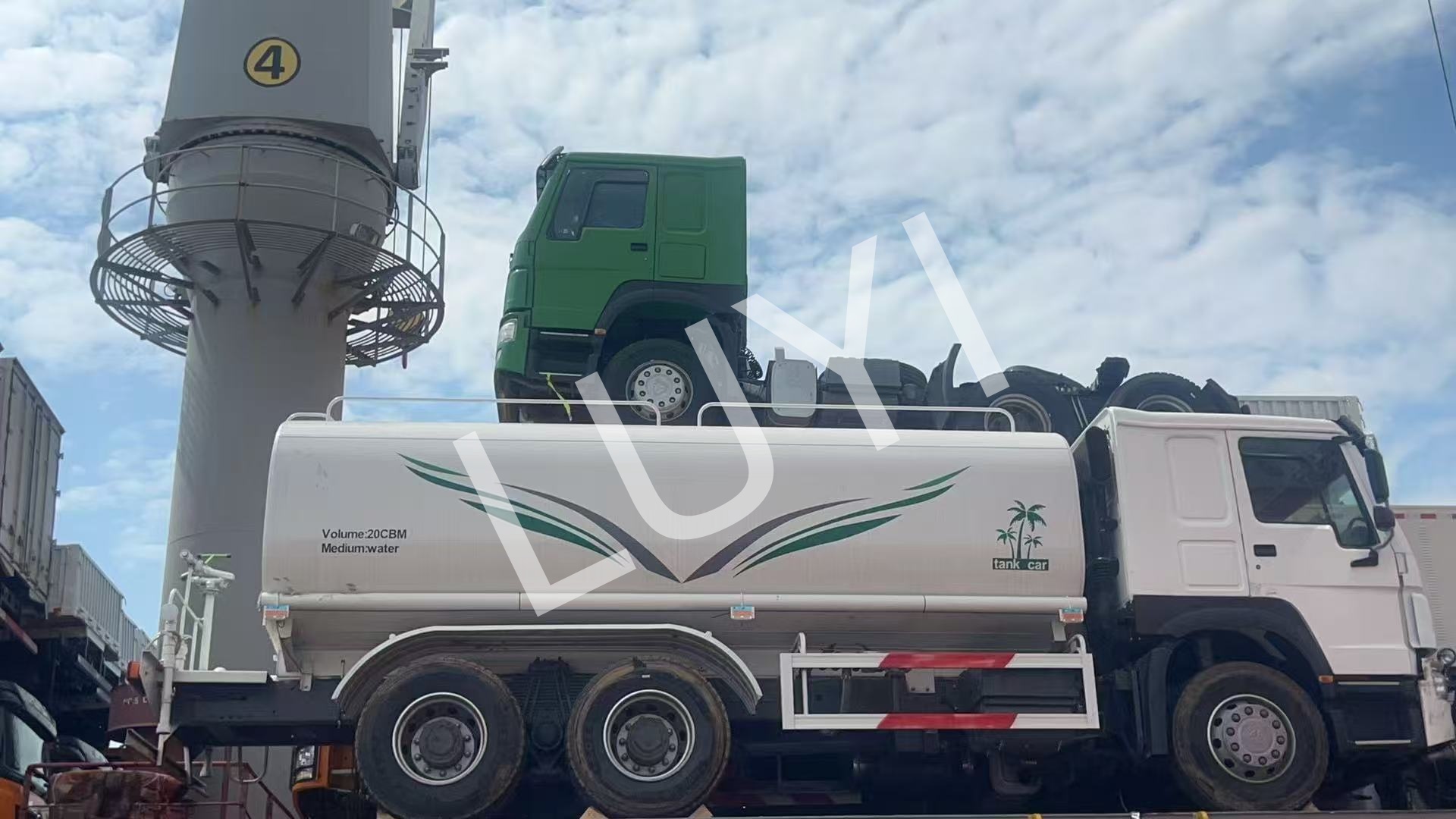
The HOWO water tanker delivered this time strictly adhered to the production inspection standards for export vehicles. During the manufacturing process, the local road and climate conditions in Burundi were fully investigated. The high-temperature and dusty outdoor environment has always been a major challenge for sanitation vehicles during operation. This water tanker was designed to adapt to such conditions from the very beginning, taking into account long-distance water supply transportation and on-site spraying operations. Even when traveling on unpaved construction roads for a long time, the vehicle can still maintain stable output, effectively reducing additional losses caused by equipment failure and downtime.
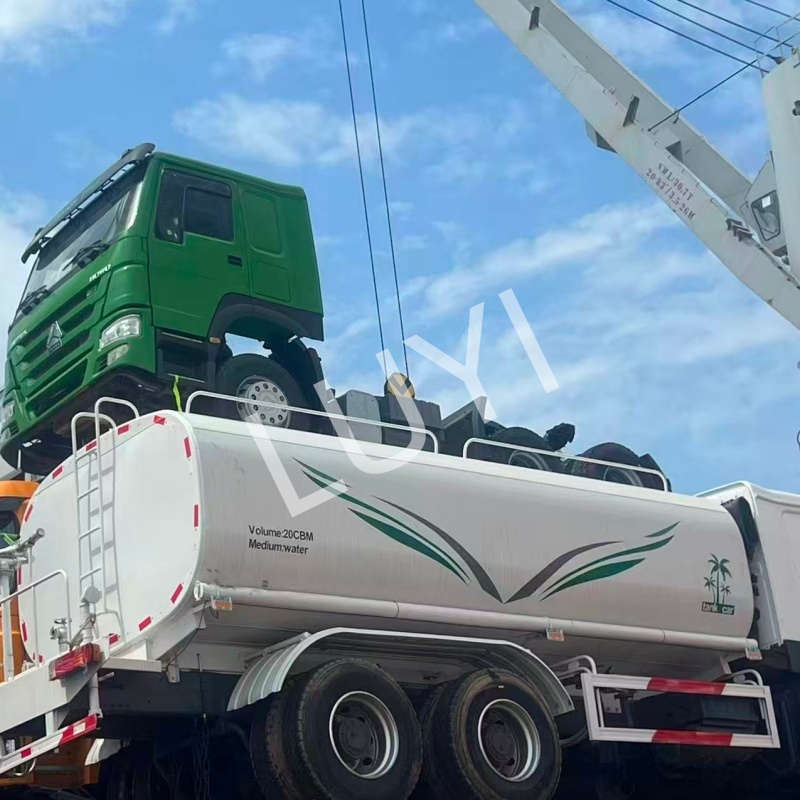
The water tank body is made of thickened anti-corrosion carbon steel plates. All weld seams of the tank body use fully automatic welding technology, and after completion, they are inspected and tested for leaks one by one to prevent any water leakage problems in the future. For local operating enterprises, having a stable 20-cubic capacity water tanker can cover most of the daily water supply sanitation tasks, eliminating the need to purchase multiple small water supply equipment separately. This not only controls the procurement budget but also simplifies subsequent vehicle management and maintenance work.
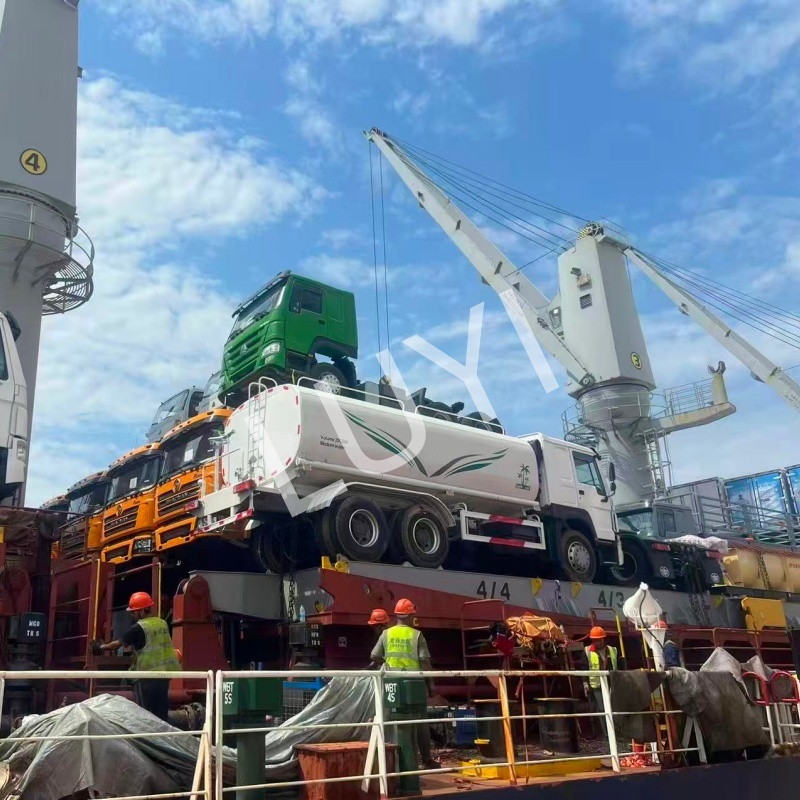
Internal reinforcement anti-wave barriers are installed in the water tank body. This core design is often overlooked by people, but it directly relates to the safety of the vehicle during heavy-load driving. When the tank is full of water and the vehicle passes through bumpy sections, the water will cause significant front-to-back surges, impacting the vehicle body. The anti-wave barriers can disperse and absorb the impact force, reducing the stress loss inside the tank and delaying tank deformation and cracking over time. This can effectively extend the service life of the tank.
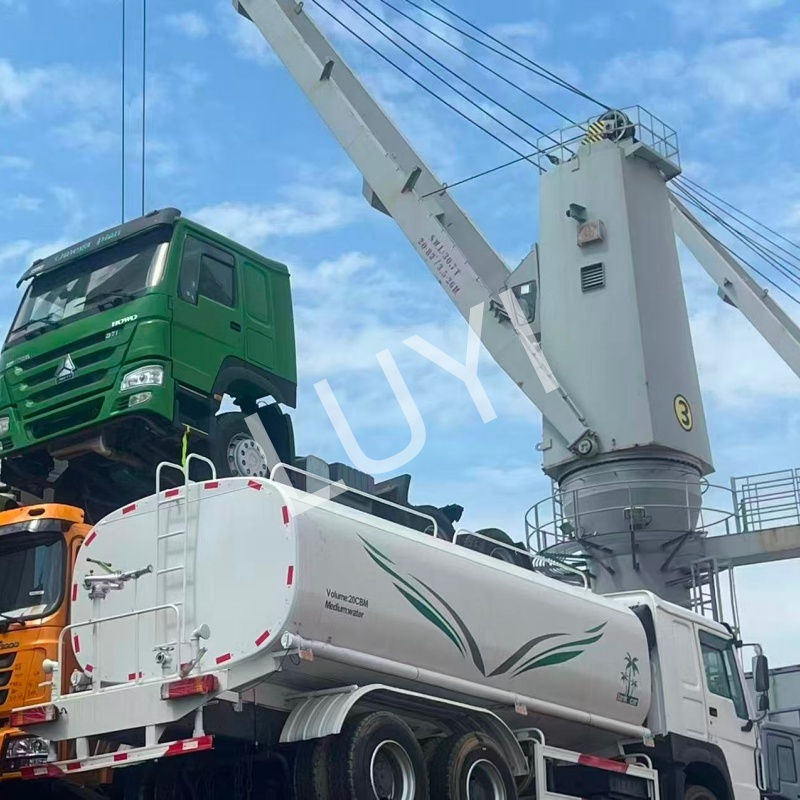
The entire vehicle uses a 6×4 heavy-duty chassis as the load-bearing foundation. The three axles evenly distribute the weight of the vehicle after full load, and the frame undergoes high-strength heat treatment. This balanced load-bearing layout can reduce the overload pressure on single-side axles and tires, reducing the risk of frame distortion and deformation when driving on rough roads. It not only improves the vehicle's driving stability but also reduces the wear rate of components such as the axle, steel spring, and other load-bearing parts, extending the maintenance cycle of the chassis components.
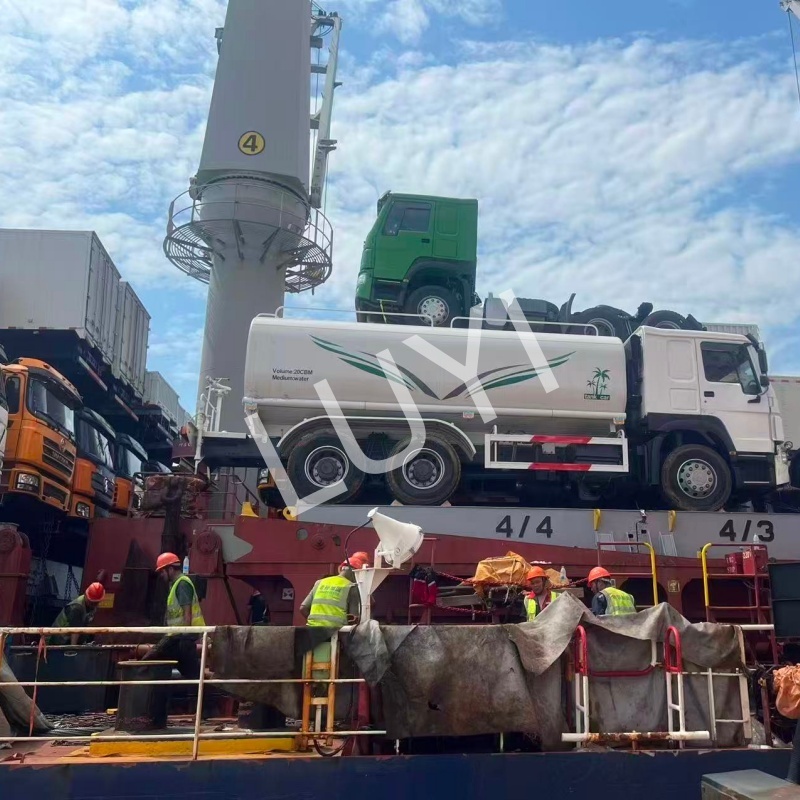
The entire water spraying operation system is equipped with an independent self-suction pump and a multi-way spray control valve group. The pipe interface is equipped with multiple sealing protection structures. The pump has an overload protection device. If there is abnormal load during water intake operations, it will automatically respond to reduce idle wear and provide comprehensive protection for the core components of the water spraying. This mature waterway system and heavy-duty chassis work together to enable this HOWO water tanker to handle various complex and variable outdoor operation tasks in Burundi with ease.
 SINOTRUK HOHAN‑NX Tractor Truc
 Five Fuel Tank Trucks Loaded a
 Isuzu Truck‑Mounted Crane Depa
 Two HOWO Tractors Shipped to M