
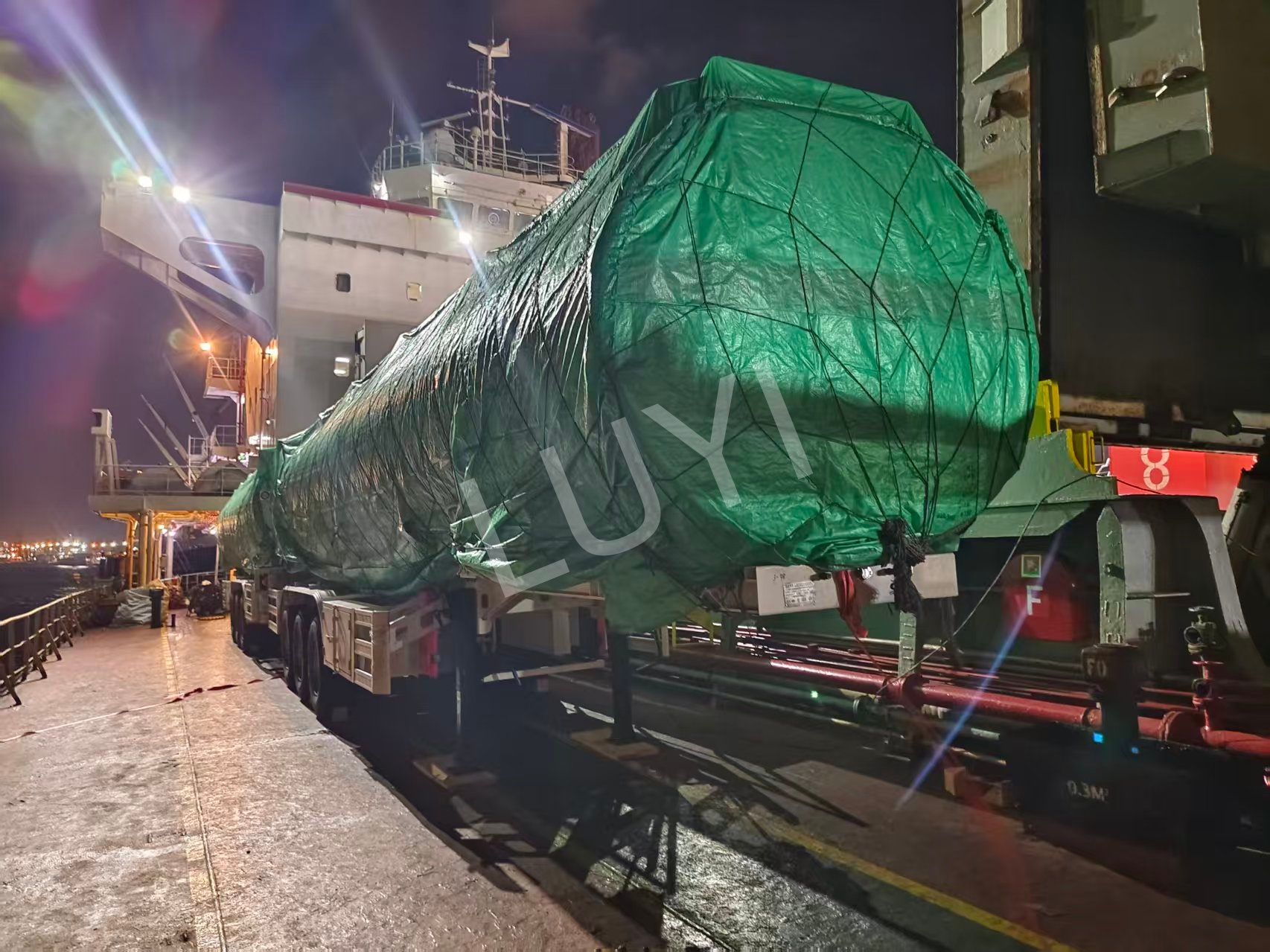
Five Fuel Tank Trucks Loaded and En Route to Burkina Faso
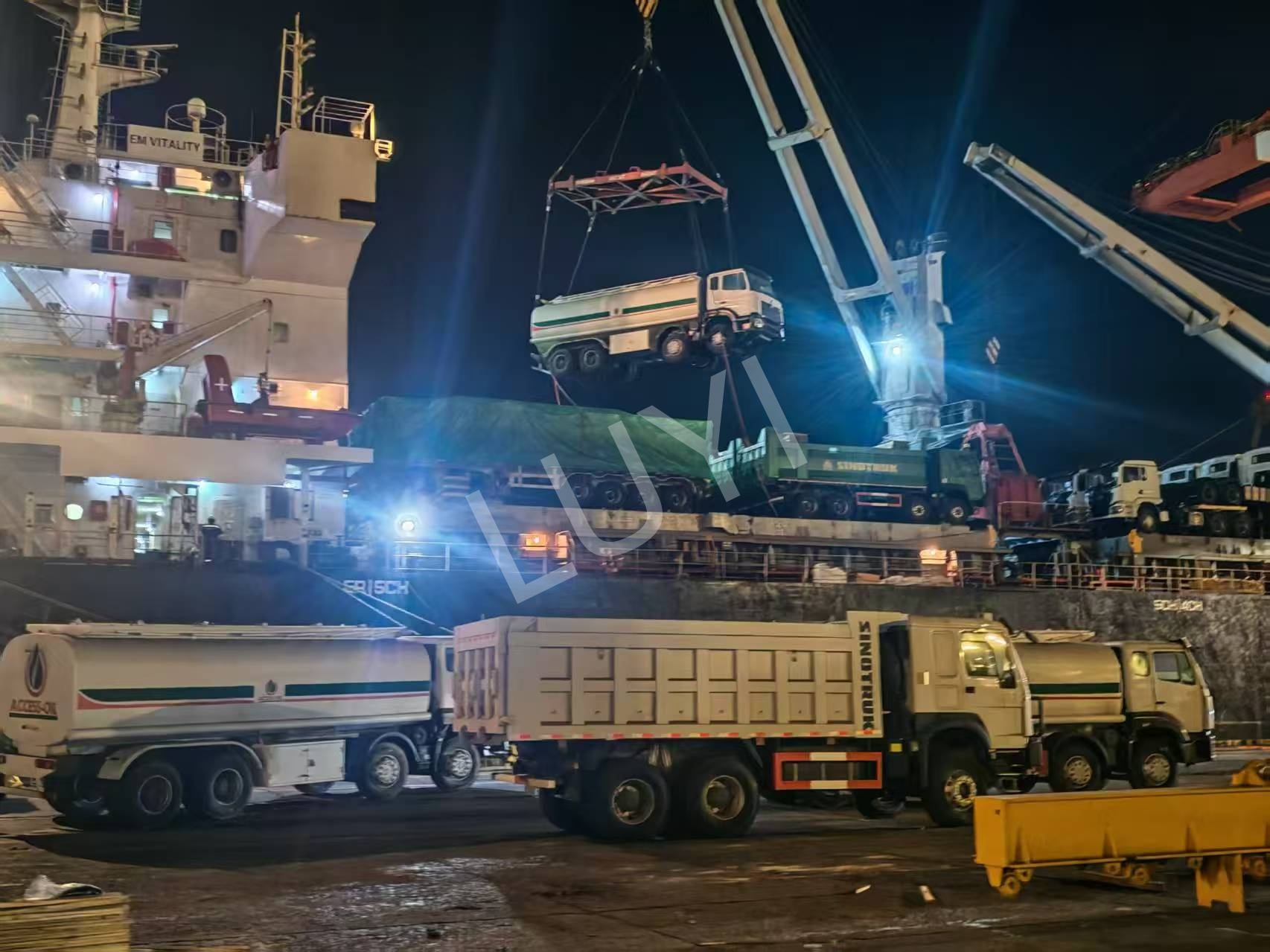
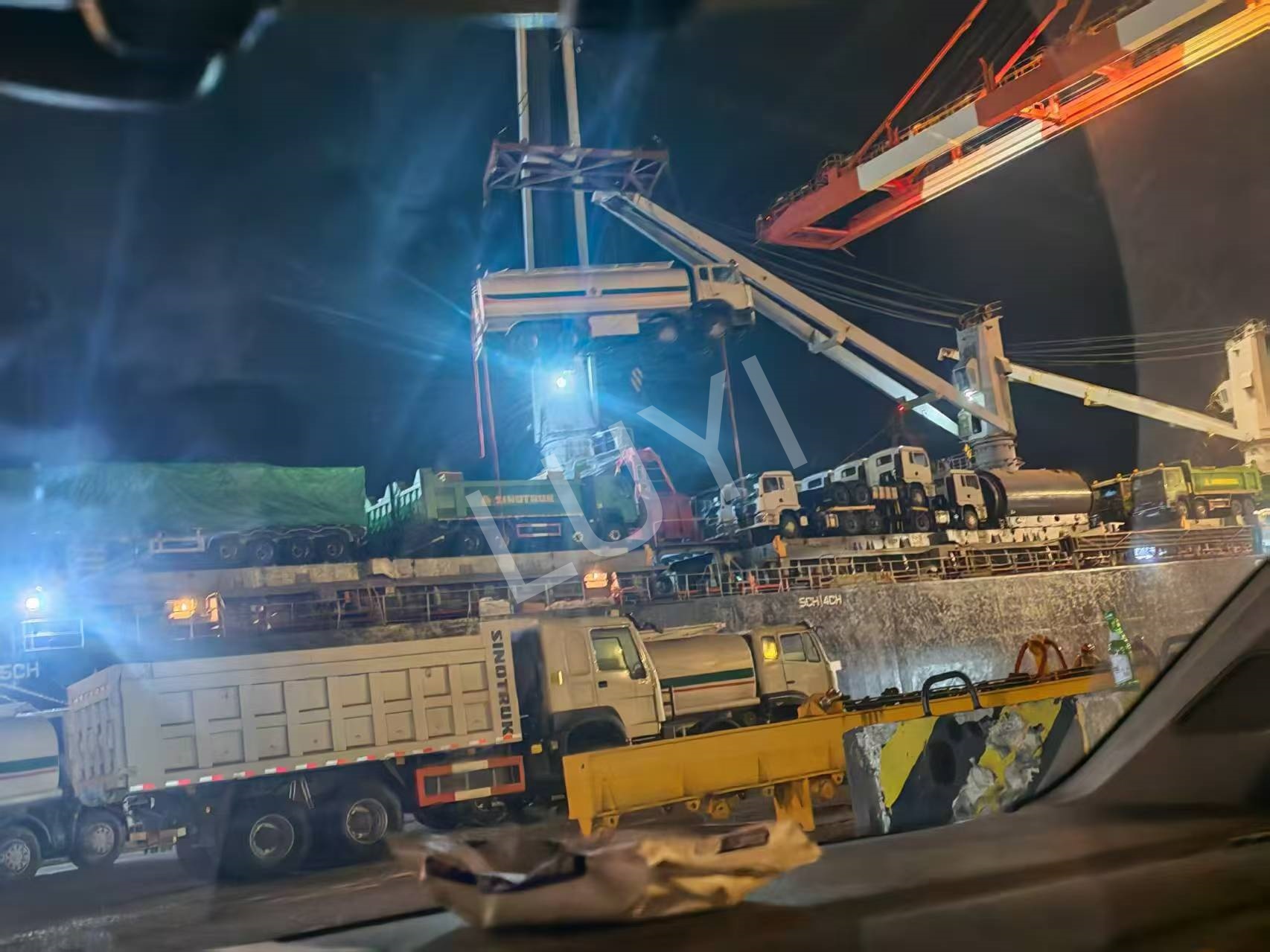
All five fuel tank trucks have finished assembly and passed thorough quality checks. Loading wrapped up during night‑time port operations, and the units are now set to sail for Burkina Faso. Built specifically for liquid haulage, these trucks focus on fuel delivery and storage. They work well for town‑wide fuel resupply, mine site refuelling and fuel runs for infrastructure projects. They hold steady even on rough out‑of‑town roads, delivering reliable transport to support local energy supply chains.
The vehicle's overall load-bearing is based on a reinforced chassis structure, and the key positions of the frame are strengthened. This is an indispensable part for ensuring the long-term reliable operation of the equipment. This load-bearing structure also takes on the self-weight of the tank and the heavy load pressure of the internal fuel. During full-load driving, it can effectively resist deformation risks. The reinforced chassis not only optimizes the vehicle's stability on unpaved roads, reduces the impact damage caused by bumps, but also reduces the fatigue wear of connecting parts and effectively extends the service life of core components such as the frame and suspension, reducing the probability of equipment failure.
The entire oil loading and unloading system is an important supporting functional unit of the vehicle, covering key components such as pump sets, pipelines, and valves. It can efficiently complete the filling and unloading of fuel. The system output pressure is stable, which can buffer the pressure fluctuations generated during fuel transportation and avoid damage to the tank, pipelines, and pump body caused by sudden pressure increases. At the same time, the overflow and emergency cut-off protection components, in the event of abnormal working conditions, can quickly respond, providing effective protection for the tank, pipelines, and pump body, reducing equipment damage caused by abnormal operations, and ensuring that the entire oil tanker can continuously participate in daily fuel transportation work.
 Five Fuel Tank Trucks Loaded a
 Isuzu Truck‑Mounted Crane Depa
 Two HOWO Tractors Shipped to M
 Two Oil Tank Semi‑Trailers Loa